
🇵🇹B1 Portuguese GrammarFuture Tense
1Simple Future (Futuro Simples)
The simple future in Portuguese is formed by adding endings directly to the infinitive. This is unique among Romance languages - the infinitive itself becomes the stem. The endings are: -ei, -ás, -á, -emos, -ão. This tense is used for formal predictions, promises, and emphatic statements about the future.
Simple Future Conjugation
| Person | falar (speak) | comer (eat) | partir (leave) |
|---|---|---|---|
| eu | falarei | comerei | partirei |
| tu | falarás | comerás | partirás |
| ele/ela/você | falará | comerá | partirá |
| nós | falaremos | comeremos | partiremos |
| eles/elas/vocês | falarão | comerão | partirão |
Examples
Amanhã falarei com o meu chefe.
Tomorrow I will speak with my boss.
falarei = I will speak (formal)
Eles chegarão às oito horas.
They will arrive at eight o'clock.
chegarão = they will arrive
Nunca esquecerei este momento.
I will never forget this moment.
Emphatic promise with simple future
O tempo melhorará na próxima semana.
The weather will improve next week.
Prediction with simple future
2Informal Future (ir + Infinitive)
In everyday Brazilian and European Portuguese, the most common way to express future is ir (to go) + infinitive. This is similar to English "going to." It's used for plans, intentions, and near-future events. The verb ir is conjugated in the present tense, followed by the infinitive.
ir + Infinitive Construction
| Person | ir (present) | Example with viajar |
|---|---|---|
| eu | vou | vou viajar |
| tu | vais | vais viajar |
| ele/ela/você | vai | vai viajar |
| nós | vamos | vamos viajar |
| eles/elas/vocês | vão | vão viajar |
Examples
Vou estudar português esta noite.
I'm going to study Portuguese tonight.
vou + infinitive = most common informal future
Ela vai casar no próximo mês.
She's going to get married next month.
Near-future plan with ir + infinitive
Nós vamos jantar fora amanhã.
We're going to have dinner out tomorrow.
vamos = we're going (to)
O que vocês vão fazer no fim de semana?
What are you going to do on the weekend?
Question form with ir + infinitive
3Future Subjunctive
Portuguese has a unique future subjunctive used after quando (when), se (if), assim que (as soon as), and other temporal/conditional conjunctions. It's formed from the third person plural preterite minus -am: falaram → falar-. This tense doesn't exist in Spanish or other Romance languages.
Future Subjunctive Formation
| Infinitive | 3rd pl. preterite | Future subjunctive stem |
|---|---|---|
| falar | falaram | falar- |
| comer | comeram | comer- |
| partir | partiram | partir- |
| fazer | fizeram | fizer- |
| ter | tiveram | tiver- |
Examples
Quando eu chegar, telefono-te.
When I arrive, I'll call you.
quando + future subjunctive (chegar)
Se tiveres tempo, podemos conversar.
If you have time, we can talk.
se + future subjunctive (tiveres)
Assim que ele souber, vai-nos dizer.
As soon as he finds out, he'll tell us.
assim que + future subjunctive (souber)
Farei o que for necessário.
I'll do whatever is necessary.
o que + future subjunctive (for)
4Irregular Futures and Usage
Three common verbs have irregular simple future stems: dizer → dir-, fazer → far-, trazer → trar-. The endings remain the same. In modern spoken Portuguese, the simple future often expresses probability or conjecture about the present: "Será que ele está em casa?" (I wonder if he's home).
Irregular Future Stems
| Infinitive | Stem | Example (eu) |
|---|---|---|
| dizer (say) | dir- | direi |
| fazer (do/make) | far- | farei |
| trazer (bring) | trar- | trarei |
Examples
Eu direi a verdade.
I will tell the truth.
direi = I will say/tell (irregular)
O que faremos sem ela?
What will we do without her?
faremos = we will do (irregular)
Será que ele vem hoje?
I wonder if he's coming today.
será que = probability/conjecture
Eles trarão os documentos amanhã.
They will bring the documents tomorrow.
trarão = they will bring (irregular)
Practice
Get 4 of 5 right to learn this lesson
'You will receive your card in the mail': ___ o seu cartão pelo correio.
'She is going to fly on a plane': Ela ___ andar de avião.
'If she ever loses a card again, she will know what to do': Se alguma vez ___ um cartão, saberá o que fazer.
'What will we do without her?': O que ___ sem ela?
'Your food will be ready in ten minutes': A sua comida ___ pronta em dez minutos.
See Real Examples in Stories
Now that you've practiced, see this grammar in context

“'Receberá o seu cartão de seguro pelo correio dentro de cinco dias úteis,' informou David.”

“Ela vai andar de avião pela primeira vez.”
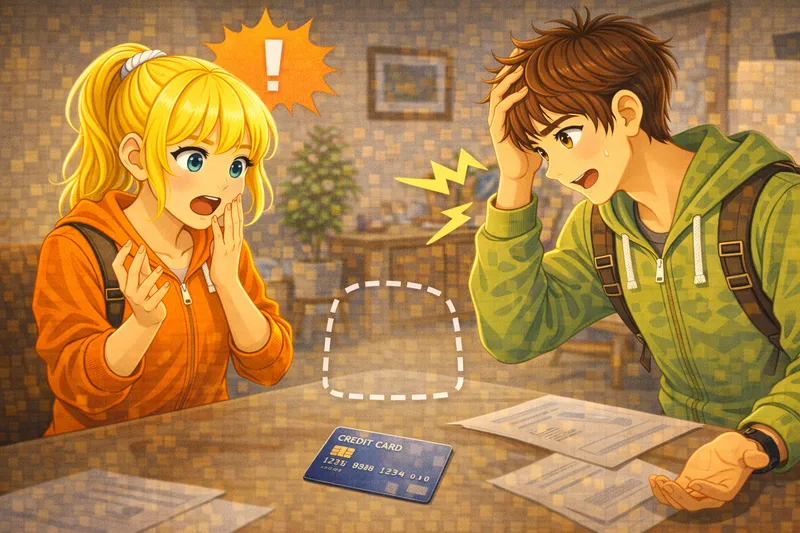
“Se alguma vez perder um cartão novamente, saberá exatamente o que fazer.”

“'Sua comida estará pronta em dez minutos,' ele diz.”